
Folks there’s a new webinar in the members’ area titled “How Poland Did It”. I hope you’ll find it enjoyable and informative.
2 Likes
I spent several weeks in Poland in the late 1990s, as part of a faculty residency, between our university in the US and an Art Academy in Poznań. We slept ate and worked together, housed in an old mansion, south of Poznań, taken over by the communist party years earlier and turned into a communal space for the Arts Academy. While there I met a well known Polish Artist, the late Jan Berdyszak and his son. Jan had grown up during the period you discussed, and was around sixty YO when I met him.
Every night, we had meetings amongst ourselves, to share ideas and have extensive discussions which lasted all night. The American faculty and grad students did not want to participate in these discussions. I thrived. They were as you described. Jan’s work and the work of his peers and students was very subtle, and was deeply encoded. I believe this also reflects what you have described. There were some differences that I do not think are true in US culture:
- There was a cohesive culture, even across classes and categories of lifestyles, education and work.
- The majority of the people I met (if not all), were Catholic.
- There was not a desire or interest in food diversity. Food was a very pragmatic experience. Special foods were saved for special celebrations. (I liked this).
- The Polish artists took their work very seriously, and the community highly revered artists and their voices.
- The Polish Artists engaged with those in the Sciences on very complex levels.
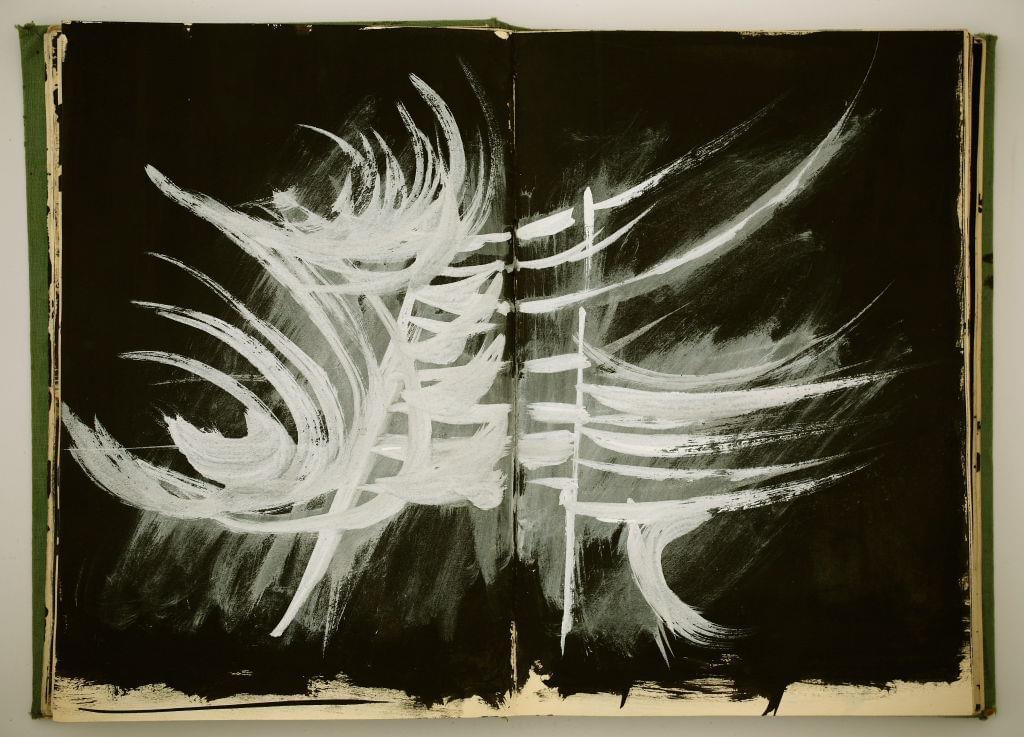
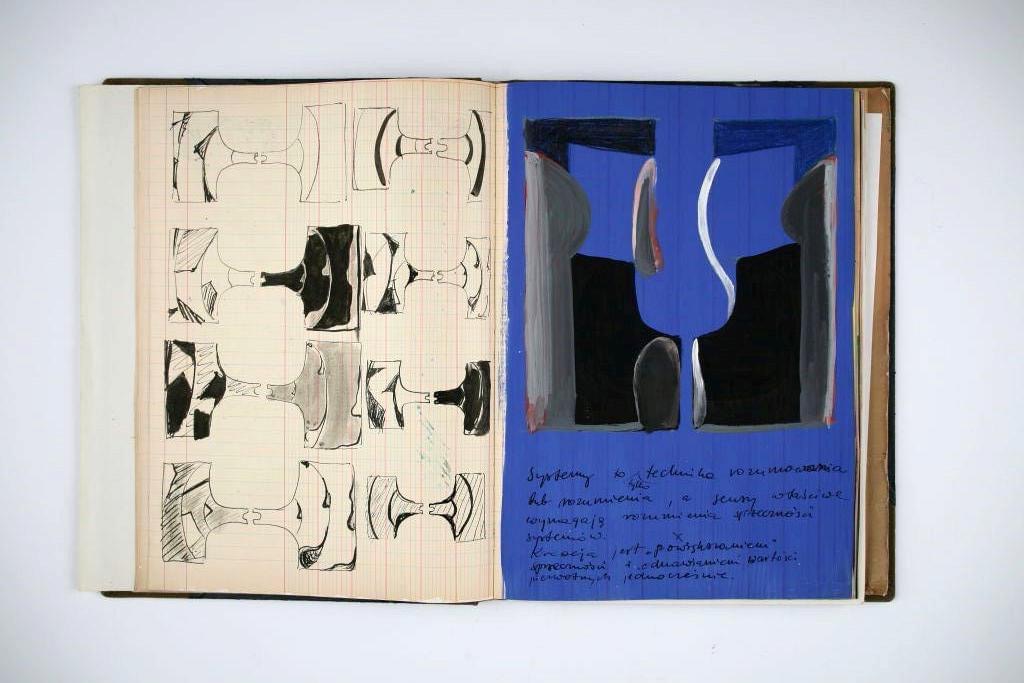
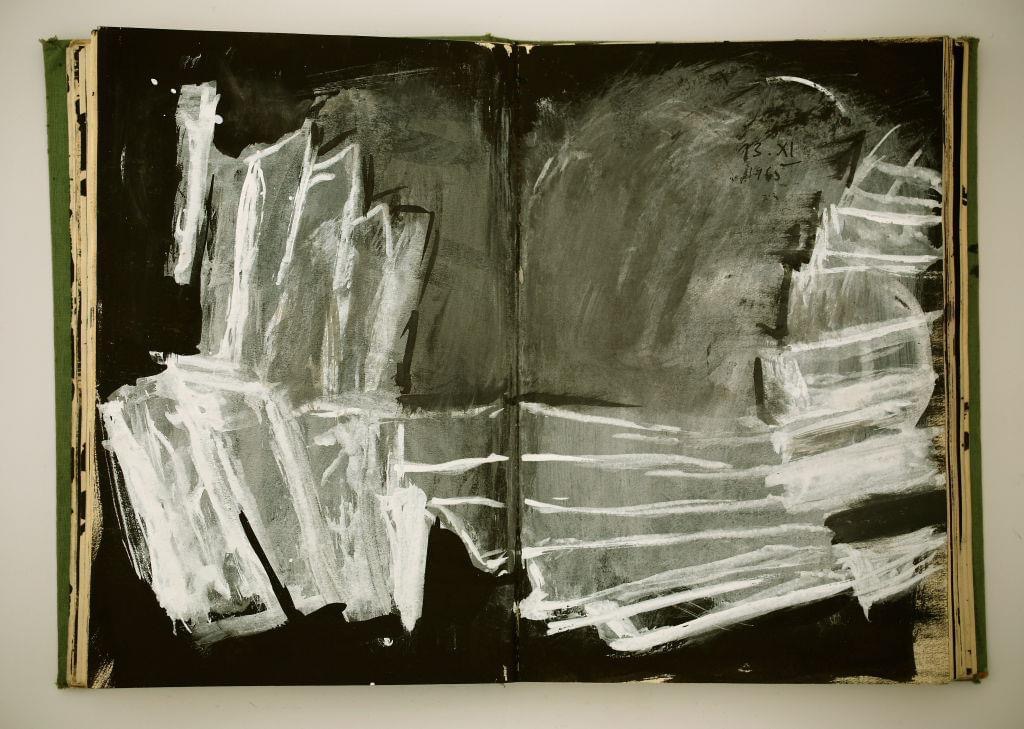
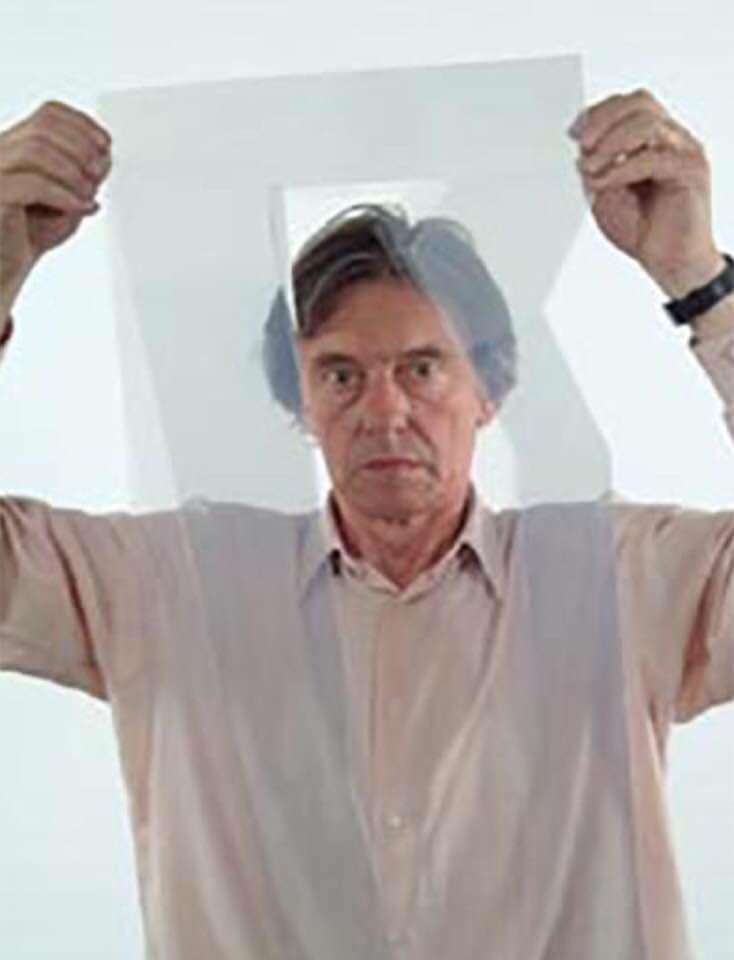
Jan passed away a few years ago. I wanted to share some images from his sketch books, one of a physical installation (the blue image), and an image of him:

2 Likes
“Jan’s work and the work of his peers and students was very subtle, and was deeply encoded. I believe this also reflects what you have described.”. To be precise I know nothing about art especially art produced in my lifetime. I seem to not “resonate” with it. I also listened to Joseph’s latest webinar of “how Poland did it” and if anything this art wouldn’t fit the bill.
I did a google search on Jan Berdyszak and to date did not see anything I would want in my own home created by him. So, I wonder what I am missing? I am asking honestly because I am experiencing a serious disconnect I would like to understand. Jan Berdyszak art to my mind is on par with a lot of today’s art I don’t consider nor experience as art. I can’t pass up asking someone that seemingly has experience in and of art.
3 Likes
I don’t think much work of Polish art I experienced was about owning it for your home. It was to engage in thought and discussion! It is akin to philosophy. Where if you read one paragraph, you would not understand much. It requires much more interaction and engagement! His work and that of students, was very different than US artists, of same contemporary period. it was very interesting when they came to the US, and stayed with us at the University in the US. They did not relate to the work of US students.
To me, artists create their own language. Some less easy to access, in terms of meaning than others. Some more aligned with certain experiences and ways of thinking than others. it’s up to everyone to find their own relationship to an artists work. To ignore it, is also very reasonable.
2 Likes
Profound thanks to you, Dr Farrell. There is so much here from which to learn and to apply to the current state of affairs around the world wherever one may be.
Thank you nfold for sharing. Your experience was a very fruitful and warm one it seems. It took you to meaningful avenues.
1 Like
Joseph, thank you. I think you have done some important work here and that this webinar really deserves a re-listen and some extra thinking. Maybe it even deserves to be shared wider, but you are the owner and best suited to decide that.
This is a remarkable and valuable piece of work. I’m not surprised people have suggested Dr. Farrell should consider sharing it more widely (assuming I’m not misinterpreting their comments). Thinking back on some of the lessons from Poland’s experience, I wonder if that would be the best way to share the information… dissemination globally from one main source vs. locally from a multitude of sources… I’m not really sure, but I do know this is the kind of question that deserves careful consideration. Something like sharing it with CAF’s audience might be appropriate(?).
3 Likes
Just to add to my comments on a main blog page, the workers opposition of 70ties was really primed by mid 60ties spiritual awakening of the nation, ordered and organized by Stefan cardinal Wyszynski. It began with pilgrimage of the copy of the icon of Our Lady of Czestochowa thru all the parishes of the country, with a solemn procession thru streets in each parish and ended in renewal of the thousand anniversary of bapism of nation in 1966. Communist arrested the icon on its path several times by throwing the picture literally into a jail cell, but people would continue to carry and pray in a front of the empty frame. Seeing the futility of their actions government gave up the arrests and the entire pilgrimage ended up successfully. This was a clear case of group intentionality and positive interference of the common morphogenic field.
2 Likes
CAF and DJ comes to mind.
that blue steep-stepbox is quite nailing.
thanks nfold