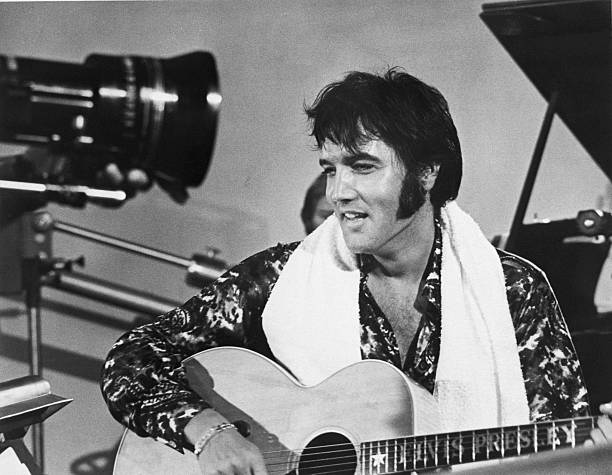
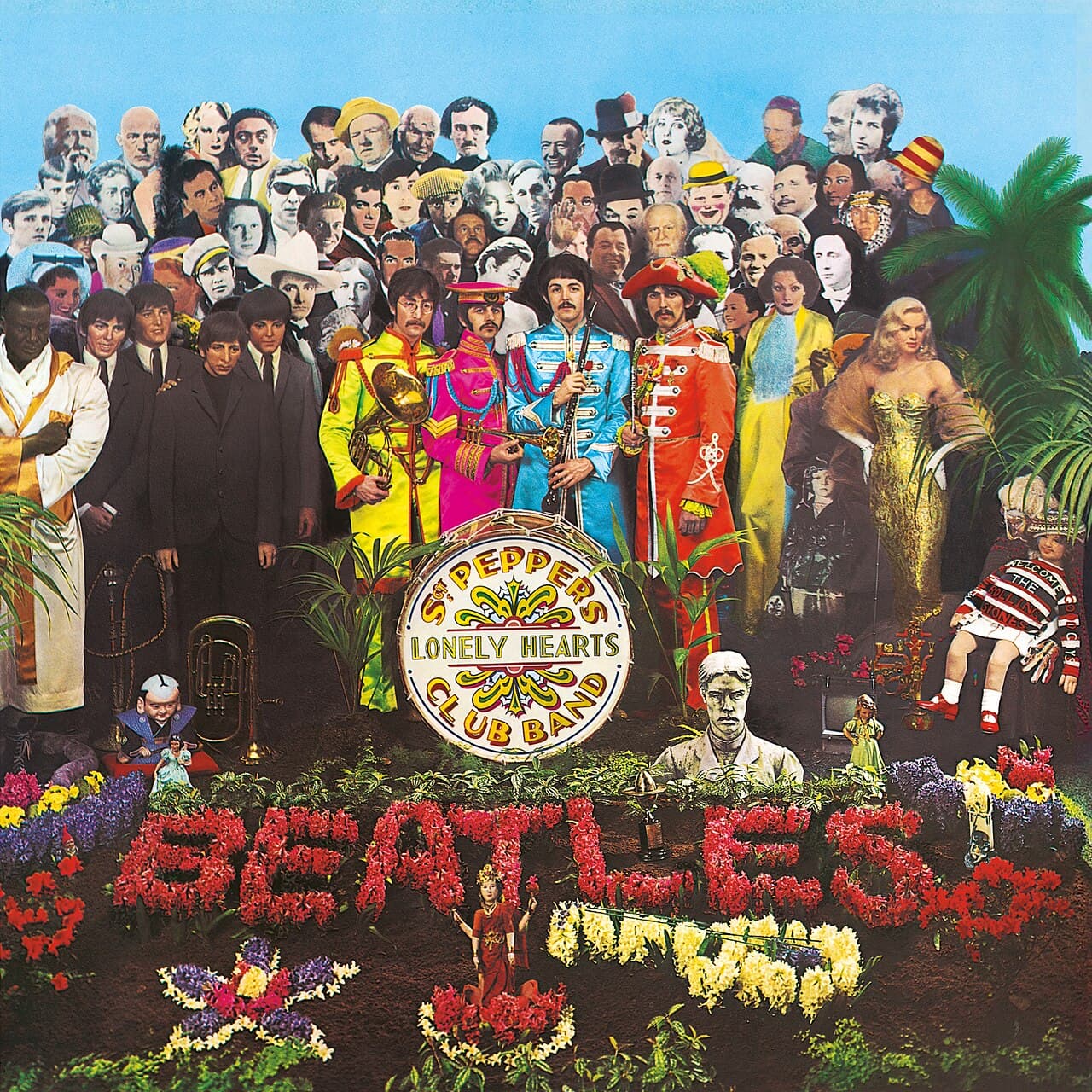
Elvis left the building fifty years ago, but pretty soon he’ll be walking right back in. The icons in popular music are not going away. Not really. Even when they’re decades in the grave, their images, their voices, and their cultural weight remain locked in the collective memory. But soon, it won’t just be memory. In a couple of years, you will be able to attend an Elvis Presley concert — not a tribute act, not a impersonator in a sequined jumpsuit, but something that looks, moves, and sounds like Elvis himself. Powered by new AI music technology, this digital resurrection will be indistinguishable from the real thing for most people in the audience.
He will be moving all over the stage — swiveling those hips, wiping sweat from his brow, working the crowd like he never left the building. And it won’t stop there. He may even sing a few feet away from you in hologram form, making eye contact (or the convincing simulation of it), gesturing toward your section of the auditorium. The sound won’t come from tinny speakers either. It will be his voice, reconstructed from every recording he ever made, trained to sing songs he never performed live — maybe even new songs written by algorithms in his exact style.
Now here is where things get uncomfortable. What exactly will you be witnessing? A concert? A memorial? A séance with software? The line between tribute and deception will vanish entirely. The people in charge will call it “preservation” or “celebration.” But it’s really something else. It’s the entertainment industry’s final victory over death, achieved not through resurrection but through simulation. They don’t need the soul. They just need the data.
And this isn’t just about Elvis. Every major dead icon is on the table. Freddie Mercury. Kurt Cobain. Miles Davis. John Coltrane. Michael Jackson. Their estates will license their likenesses forever, and the technology will only get cheaper and more convincing. Why pay a living artist with bad habits and contractual demands when you can own a dead one who never tires, never complains, and never asks for creative control? The logical endpoint is a streaming service where you choose your performer’s face, voice, and set list like you’re customizing a video game character.
You might say, “But people will reject it. It’s fake.” Will they? Look around. People already bond with AI companions. They already watch deepfake videos for entertainment. They already listen to posthumous “collaborations” assembled from old vocal takes. The discomfort fades faster than anyone predicts. Within a generation, a hologram concert will feel as normal as a CGI character in a movie. The kids growing up with this won’t see the problem. They’ll just wonder why we made such a fuss.
What gets lost in all of this is something we used to call presence. Genuine presence — a living, breathing, flawed human being standing on a stage, sweating, forgetting a lyric, laughing at a mistake, crying between songs. That vulnerability was always the unspoken contract between performer and audience. You came because this person was alive, and so were you, and for one night you shared that fragile fact. A hologram feels nothing. A hologram risks nothing. A hologram cannot be changed by the encounter, because nothing is actually there.
So yes, the icons are not going away. They’ll be there tomorrow and the day after and fifty years from now, smiling the same smile, singing the same songs, moving the same moves. But don’t mistake the spectacle for the thing itself. What you’ll be watching is a ghost in a machine — and the scariest part is that most people won’t care anymore.