
Sarcophagus of the Phoenician King of Sidon Tabnit I
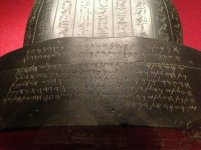
Tabnit sarcophagus - Wikipedia
Inscription
I, Tabnit, priest of Astarte, king of Sidon, the son of
Eshmunazar, priest of Astarte, king of Sidon, am lying in
this sarcophagus.
Whoever you are, any man that might find this sarcophagus,
don’t, don’t open it and don’t disturb me,
for no silver is gathered with me, no gold is gathered with me, nor anything of value whatsoever,
only I am lying in this sarcophagus.
Don’t, don’t open it and don’t disturb me,
for this thing is an abomination to Astarte.
And if you do indeed open it and do indeed disturb me,
may you not have any seed among the living under the sun,
nor a resting-place with the Rephaites.
Phoenician
אנכ תבנת כהן עשתרת מלך צדנם בן
אשמנעזר כהן עשתרת מלך צדנם שכב בארן ז
מי את כל אדם אש תפק אית הארן ז
אל אל תפתח עלתי ואל תרגזן
כ אי אר לנ כסף אי אר לנ חרץ וכל מנם משד
בלת אנכ שכב בארן ז
אל אל תפתח עלתי ואל תרגזן
כ תעבת עשתרת הדבר הא
ואם פתח תפתח עלתי ורגז תרגזן
אל יכן לך זרע בחים תחת שמש
ומשכב את רפאם
The Phoenician word for sarcophagus on the inscription is ארן, this word is found in the Old Testament for the container containing the covenant and the coffin of Joseph.
Genesis 50:26 Joseph died, and they embalmed him and was put in a coffin (ארן) in Egypt
Numbers 14:44 the ark (ארן) of the covenant
Tabnit (תבנת) resembles Daphnaeus (δαφναῖος) 'of bay, epithet of Apollo’ and in Genesis 41:45, Joseph is named Zaphnathpaaneah (צפנת פענח), which means ‘bay-eating, inspired’.