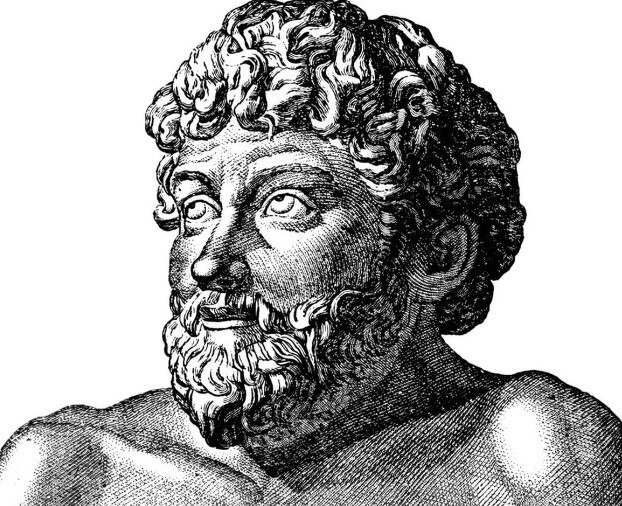
“We hang the petty thieves and appoint the great ones to the public office.”
- Aesop
Aesop, traditionally believed to have lived during the 6th century BCE, was an ancient Greek storyteller famous for using simple characters and situations to communicate deeper lessons about human behavior, morality, greed, and power.
The quote, “We hang the petty thieves and appoint the great ones to public office,” points to a troubling contradiction in the way wrongdoing can be treated. People responsible for relatively minor offenses may face harsh consequences, while those who cause greater harm through corruption or abuse of power may sometimes gain wealth, authority, respect, or political influence.
The word “petty” emphasizes the difference between small acts of wrongdoing and corruption committed by those with greater power. Someone who steals something of little value may be punished quickly, while a powerful person who exploits institutions or misuses authority may be better positioned to escape accountability.
More broadly, the statement questions whether justice is truly applied equally. Although laws may be written to apply to everyone, wealth, status, influence, and political connections can affect how people experience the justice system. When power protects individuals from consequences, justice risks becoming determined by influence rather than by consistent moral standards.
The quote is intentionally provocative rather than a literal description of every government or society. Its message is about hypocrisy: a society cannot claim to value justice while condemning wrongdoing among the powerless but overlooking or rewarding similar behavior among the powerful. True justice requires holding people to the same standards regardless of their wealth, status, or position.