We Have No Cultural Anchors

I had a Eureka Moment today. Thanks to some random person on youtube. Just some woman sitting in her back yard that gives Stoic-ess rants on society and culture.

She’s not trying to be anybody, influence. Just a regular person that has thoughts on life and society.

This one resonated with me more than anything else i"ve read or watched in a long time.

Something has been bugging me that I couldn’t put my fingers on. We could all make a loong list of things that are wrong with society, but the sum total of all these things still didn’t identify this floating sense of discontent. Yeah, we have immigration and border problems. We have corruption to the gills. We have woke America and the declining American Education system, but I think she went to the core of what is so usnettling.

We no longer have a national identity. Cultural anchors. Stories that we have in common.

In the late 30’s, Superman comics came out and it began the golden age of comic books. We had common super hero’s. We had a centralized media, radio and comic books that gave us all access to the same collective stories.

In the 70’s, when movies like Star Wars or Jaws came out. There was a buzz. Something exciting that had collective archetypical experiences we could all relate to. Common stories we all could relate to.

And then music. Despite growing up being a jazz fanatic, and college years investigating classical and different world traditions, the radio provided a common listening ground and the lyrics and music came into us.

I’d go to school after a new song came out and we would compete to see who could remember the lyrics of the newest song.

Rick Beato gets into it here on his new video “The New Dark Ages of Pop Music”
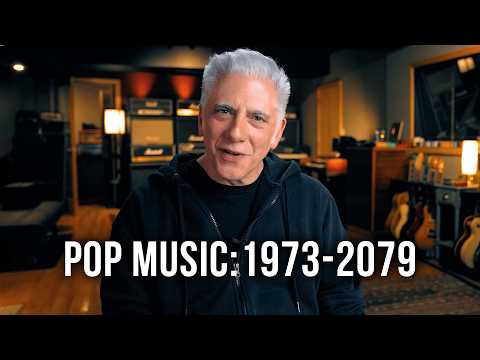
The institutions that gave us these common stories have all died. Corruption.

Hollywood, Record companies and radio. Jazz clubs died, the music districts died, and orchestra’s and opera struggle every year with budgets. Most the bookstores went out of business where you could go and flip thru books and media has bi-furcated over and over again.

If they produce new theater and musical theater, I’m out of the loop. And I haven’t had cable tv in years. I could feel my brain atrophying. But at one time we had televisions shows that we could talk about at the water cooler with a fellow employee. Does that exist today?

Sure, there are talented musicians. Probably more prodigies than ever existed at one time. There are video’s of kids that aren’t even ten years old that are prodigies on guitar, bass, drums, and difficult to keep up with all the classical prodigies and I follow the classical music channels. All the music sociologists like Beatos analysis and commentary are on the greatness of the past except when he plays the top ten songs on spotify just to show us how God awful the music is that they are producing.

We have lost collective stories and collective identity. Media is bi-furcated so there is no central repository that we all listen or watch. We have no super hero’s, no Joseph Campbell telling us the inner workings of the Jungian archetypes in the Star Wars trilogy because they all went woke.

Baseball and sports have been taken over by the banks. Every stadium in the USA is named after one of the corporate financial gods. Our hero’s are named Claude or Chatgpt and some form of divine discontent is sweeping the globe.

We’ve entered a cultural dark ages.

5 Likes

Spot on…I recognized and remembered every song played. Don’t know how many times I have heard SuperTramps’s music back in the day. Ironically Seneca, Pythagoras and the Stoic philosophy was mentioned in today’s reading material.

1 Like

…well yes some sort of…

I read this when you posted it initially and it just annoyed me.
Because it is mostly correct.

See, it’s the positive and negative of decentralisation in communication and media.
The positive side is all these new venues and avenues and channels.

This what you have posted is the negative: less gate keepers and judges often means less quality.
And , ultimately it means more fragmentation.

I don’t think it’s anything about lack of atristry.

It’s about oversaturation, and over diversification.
Too Much Information

Pretty sure I indicated that there is more talent, specifically referencing music, especially at a younger age then maybe ever before. Classical and jazz are the area’s I follow the most. However, much of the music, especially pop is derivative.

the technical level of performers at the International Chopin Piano Competition has generally improved over the decades especially in terms of accuracy, speed, clarity, and consistency. However, many listeners argue that artistic individuality, risk-taking, and personality have decreased. There are always exceptions. I feel the same thing happening in jazz. Brilliant technicians but nothing new. Again, there are exceptions. Brad Mehldau, and Hiromi have their own distinctive voices.

Obviously, Yuja Wang is being compared to Horowitz and Rubenstein but over the top for me and enough with the Rachmaninoff marathons.

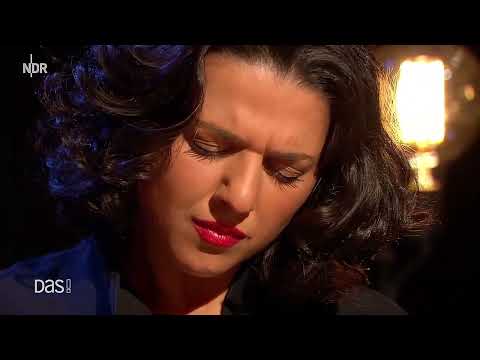
I prefer some of the younger Russian pianists, Khatia Buniatishvili. More introspective. And easy on the eyes too.

yes, no dirth of talent. But my point still stands, we have no culture of mutual recognition in popular art forms.

1 Like

Isn’t fragmentation the new muse for modernity? Technique simply begets another technique.

2 Likes

bifurcation and Stagnation…Just like the economy.

New music is dying. If a tree falls in the forest, and nobody is around to dance to it, did the tree ever fall?

Ted Gioia, who probably as good as anyone at reading the arts as a measure of the Empires decline, just wrote an article on it. Behind the pay wall.

Major record labels have abandoned new artists, investing heavily in old song catalogs instead. Streaming platforms worsen it by pushing AI-generated slop and algorithms that favor old hits.

Data from Chartmetric shows the collapse: only 23 new tracks cracked major charts in the first half of 2025 (down from 49 the prior year). In January 2026, new songs held just 3.5% of Spotify’s Global Top 50. Old music now dominates streaming year-round.Labels act like IP investment firms, buying proven classics rather than nurturing talent.

New music may survive as a hobby, but rarely as a career.

An interesting bit of news/music related.

[Ticketmaster and Live Nation lose antitrust trial in New York | AP News] (Jury finds that Ticketmaster and Live Nation had an anticompetitive monopoly over big concert venues)

Music industry was always mob run and while I don’t know if the mob had a piece of the action, ticketmaster ran the same business model.

1 Like

I agree with you about the technicianship vs musicianship, this is especially true in classical music and in my opinion PARTICULARLY infests keyboard music. i suspect the reasons for this are intimately related to the cosmological change in the arts, and particularly the musical arts, between the 18th and 19th centuries. I view it as perhaps being another implication of the romantic impulse. The old 18th century aesthetic pedagogy “aliter fac” (do otherwise) was gradually receding, along with the doctrine of the affections.

3 Likes

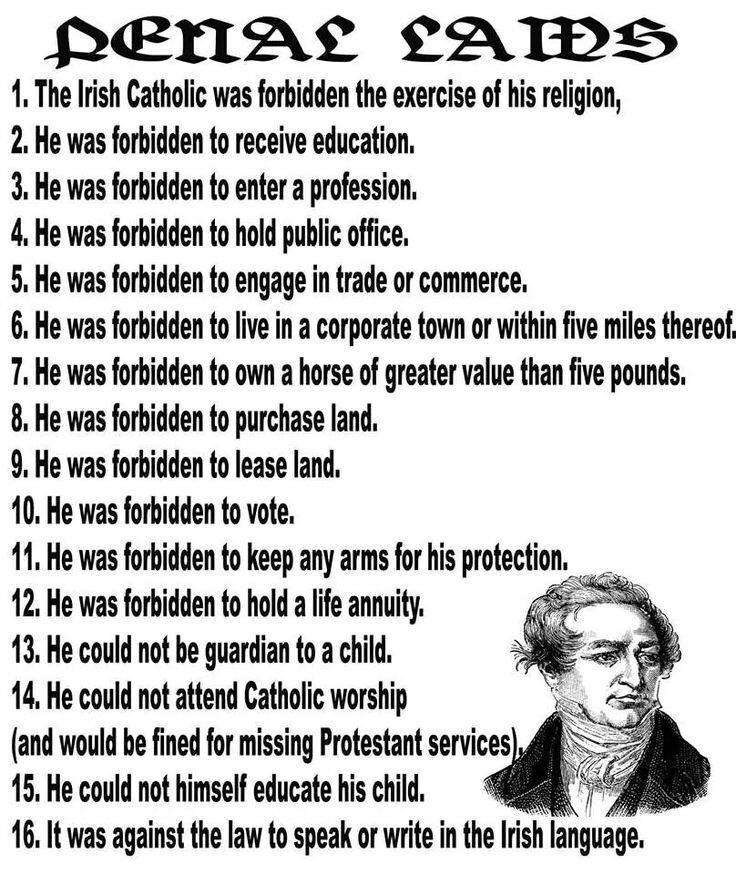
What is interesting is that there has been no critical analysis (SWOT/Risk-Benefit) at scale and depth, that say exists within the domains of the economy, technology and business, which could have or has been applied to the domain and ecosystem of national cultures. There is no World Wide Wildlife foundation, Greenpeace or Sea Shephered UN affiliaed function or NGO that looks to preserving Western Cultures (there are many shrinking and diverse such national cultures) which are under threat and dying on the vine. Western culture is the prototypical endangered species, whose internal diversity and creativity has been for deliberately undermined and removed for decades. And from the UN/WEF/IMF?..Crickets! That silence itself, is the writing on the wall. With a lived familial experience of opposition toowards and within a colonising power, and within a nation which is still post-colonial, from which an escape velocity has not yet been achieved, the cultural anchors are THE first order of business in a culture’s domination, removal and/or destruction. For example, the largest European social engineering and ethnic cleansing by law (Penal Laws - the breach of which was capital punishment) occurred in Ireland and operated between 17th Century to early 19th century and whose conditions were also a root cause to the the great famine in the mid 19th century. These forced native/Catholic landowners to subdivide any held property equally amongst their children, and any colonial could approach and force the sale any amount of land held for a price not exceeing five pounds. This meant, that over generations indigenous people, were ultimately left with little or no land by which to even subsist. But essentially the langauge, culture and the cultral constructs and structures were destroyed leaving the current post colonial legacy and original pacification and domination governmental structures (parliament and civil service) adminstration in place and just modernised with technology.

Now take that paradigm, approach and playbook globally to witness and observe the ongoing removal and neutralisation of Western cultural anchors today via the “Rules Based International Order”. An empirical case in point would be Palestine /Gaza, Libya, Syria and Iraq now Lebanon and Iran experiences. The only variable factors are the particular cultural artefacts, constructs and structures involved and present in the target population.

3 Likes