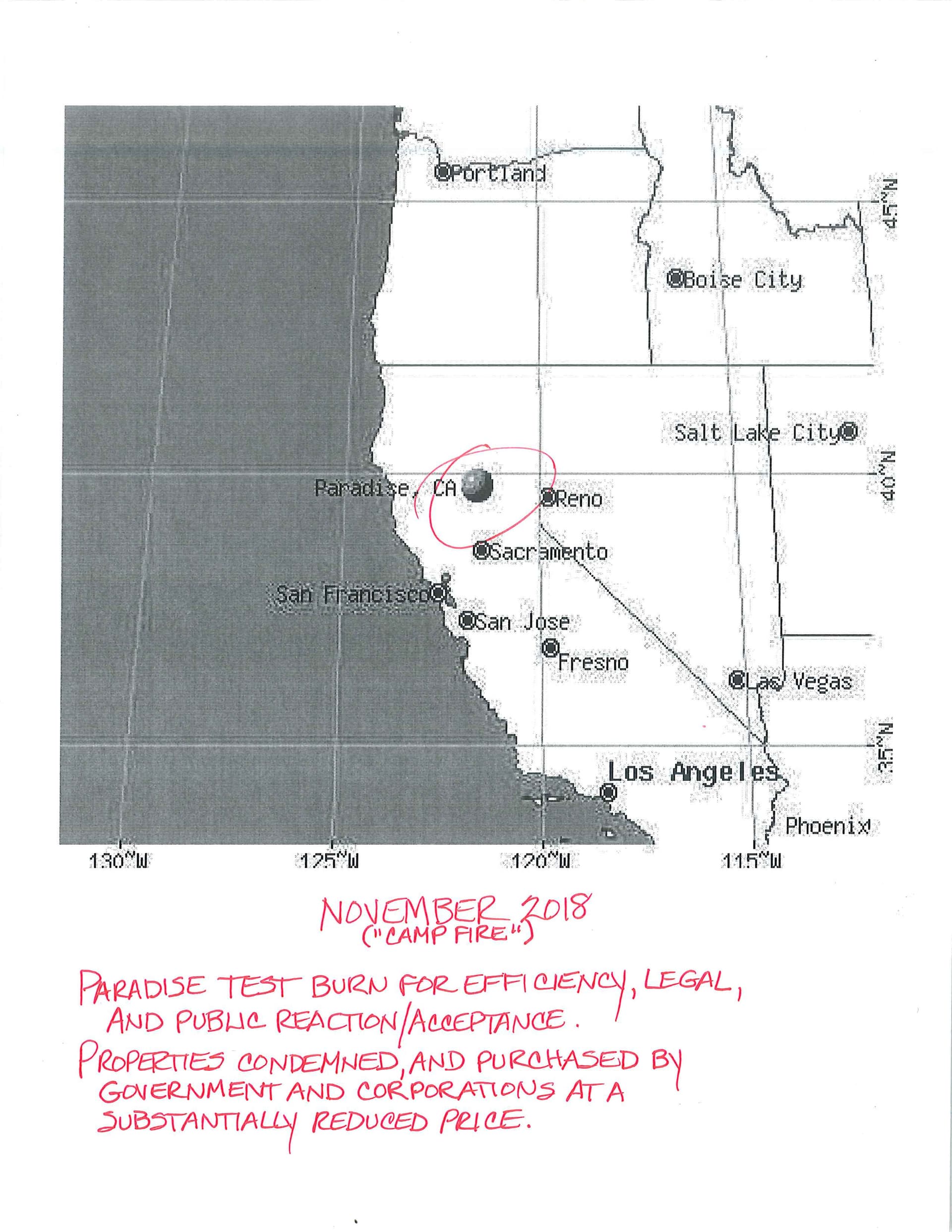
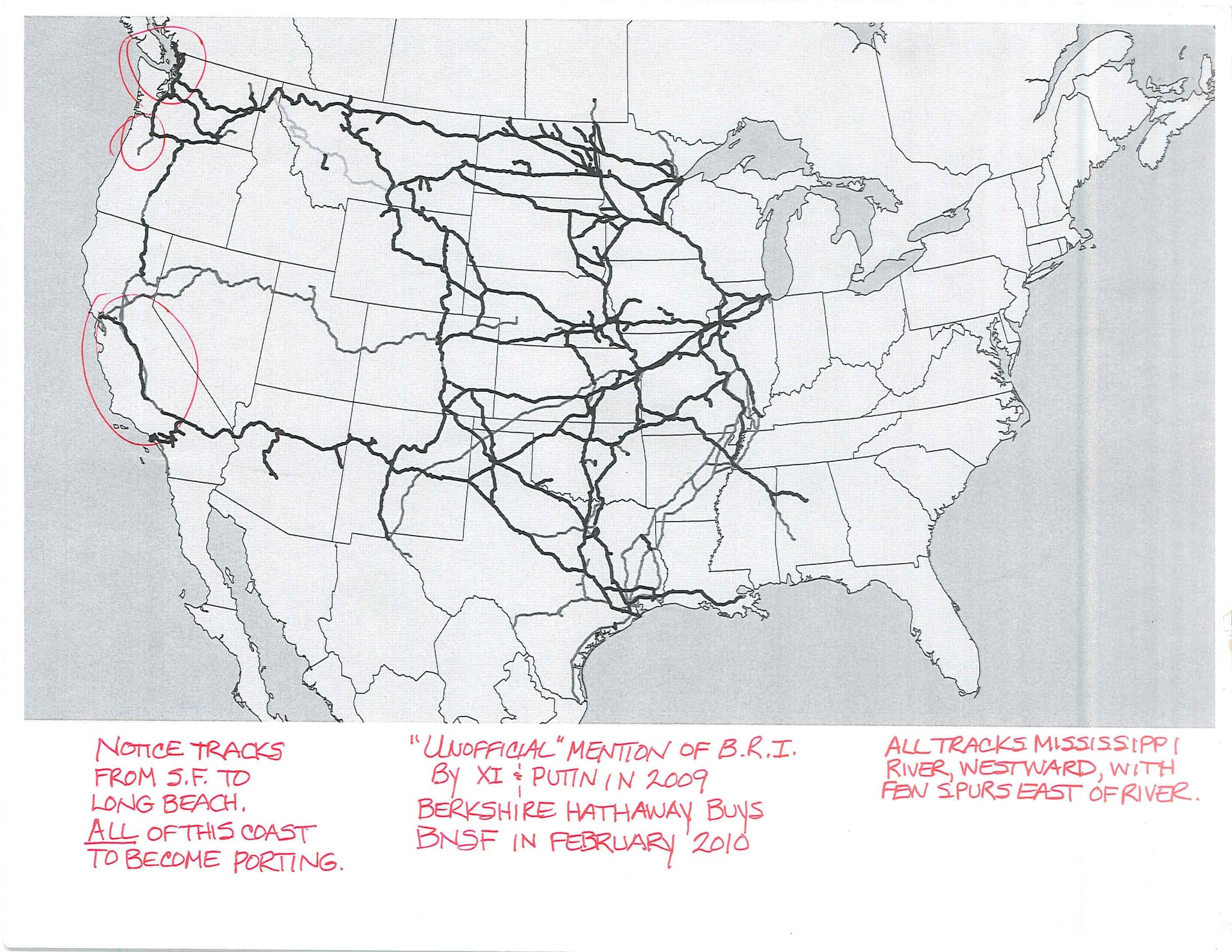
I found this treatise on property rights and perception of liberty not only worthy of my time to read and read again, but to share it.
The opening sentence caught my attention and can be applied to more than just property rights. I often wonder whether the rise of western philosophy, wealth, freedom and most significantly, technology, the past 500 years, was organic. Or maybe, just maybe, the great experiment in self-government that started in the U.S., was simply the mechanism to get western man to build the prison for his progeny and the world, one brick, one electrified fence, one 5G tower at a time?
Opening:
*" There are periods in history when societies begin to discover that the liberties they believed to be permanent were, in reality, conditional arrangements tolerated only while they remained politically convenient. Across the Western world, governments are quietly expanding the legal and administrative mechanisms through which private land can be reclassified, restricted, absorbed, or transferred in the name of infrastructure, sustainability, industrial security, climate adaptation, and economic modernization. Entire farming regions are now being surveyed for carbon pipelines. Rural communities are facing unprecedented redevelopment pressure linked to energy transitions and semiconductor expansion. Financial institutions are purchasing strategic agricultural land at historic levels while policymakers openly discuss the restructuring of urban life around centralized digital systems. Officially, these transformations are described as progress. Unofficially, an increasing number of citizens have begun to suspect that the modern definition of ownership itself is being rewritten in real time."
.
.
In between are some 41 equally compelling paragraphs.
.
.
Closing:
" And perhaps that is the most unsettling aspect of the entire debate: the possibility that the transformation is not arriving through dramatic revolution, military force, or visible dictatorship, but through a slow and highly sophisticated convergence of technology, economic planning, environmental policy, financial centralization, and administrative normalization that redefines ownership so gradually that many citizens may not fully recognize the implications until the older understanding of liberty has already faded into history."